Heritage
The survivor track
The country racecourse that kept reinventing itself, shaped by weather and regulation, and defined by South African racing's longest straight.
Vaal Racing Club founded after Feb registration
Vaal Turf Club formed by merger
First Emerald Cup — Africa's sand spectacular
Vaal Classic + Grand Heritage launch on new turf
NOT THE GLAMOUR CIRCUIT
A country course that kept proving itself useful.
The Vaal is not wrapped in old-city mythology like Turffontein, and it does not have Fairview’s colonial Eastern Cape lineage. Its story is more practical and more Highveld — a country course beside the Vaal River, built outside the Johannesburg racing centre, threatened early by geography and politics, then repeatedly rescued by racing people who needed it to work.
Today it sits at 1 Ascot on Vaal, Viljoensdrif, in the Free State, but it is usually spoken about as part of the Vaal Triangle racing world — a short drive south of Johannesburg, near Vereeniging. The 4Racing description calls it the “hidden gem of the Highveld” with a relaxed country atmosphere. The longer truth is that the Vaal had to earn that description, chapter by chapter.
1944
Licence trouble
The Vaal Racecourse receives its original licence, but proceedings are halted after objections from the Jockey Club of South Africa over inadequate controls. The administrative story does not start cleanly.
1946
Vaal Racing Club founded
In February the racecourse is successfully registered. The Vaal Racing Club is founded. The new venue, built outside the established Johannesburg circuit, has to find its place from scratch.
1947
Night racing washed out
The first attempt to introduce night racing is held in March 1947. A severe Highveld storm washes out the inaugural meeting. The Jockey Club soon shuts the idea down by threatening to warn off anyone involved. The Vaal's first attempt to innovate is killed by weather and regulation.
1952
Saved by the people who needed it
The Newmarket-based Owners and Trainers Association is holding twelve meetings a year at the Vaal. The Vereeniging Turf Club uses the course as an alternative venue. The Vaal survives because it gives racing bodies space, flexibility and a working alternative to the city tracks.
1970s
The Vaal Triangle takes ownership
The Vaal Triangle Owners and Trainers Associations buy the property connected to both the Vereeniging Turf Club and the Vaal Racing Club. The two bodies continue to arrange midweek daytime racing on the same ground.
1988
Vaal Turf Club
The Vaal Racing Club and the Vereeniging Turf Club merge to form the Vaal Turf Club. What had happened in practice for decades is now formal: the Vaal is the shared racing base for the broader Vaal Triangle circuit.
2001
The sand track
A sand track is introduced. The Vaal gains a specialist racing identity — and, with it, the long-running debate over kickback, water use and safety that will eventually end the experiment.
2005
The Emerald Cup is born
The first Emerald Cup is run on 25 September 2005 — an ungraded 1,400-metre event worth R200,000. Mrs Oppenheimer's Hilti, trained by Mike de Kock and ridden by Willy Figueroa, wins it. The race is elevated to Grade 2 in 2007 (Narc, for Buddy Maroun, ridden by Piere Strydom) and grows to a R1-million event by 2014 (Tommy Gun).
2015
The sand era ends
By 2015 the sand track's reputation has turned. Safety concerns, kickback debate and water demand from the Vaal River make the surface unsustainable. The final sand-era running is the Grade 2 Supreme Cup, won by Mike Azzie's Deputy Jud under JP van der Merwe. The Vaal sand officially closes in October 2015 and is replaced by turf.
2016
Vaal Classic + the Grand Heritage
The new Vaal Classic turf surface — same right-handed footprint as the old sand: 2,800 metres, 1,000-metre straight — opens on 19 May. On 1 October the World Sports Betting Grand Heritage is run for the first time: a 27-horse cavalry charge down the long straight. Irish Pride wins for Johan Janse van Vuuren and Gavin Lerena. The Vaal has reinvented itself again.
2018
The strangest Grand Heritage
Weather and surface issues force the race to relocate to Turffontein, where the full 28-horse format will not fit. Organisers split it into two heats with a final between the winners. After Leg 1 winner Soldier On withdraws, runner-up Dan The Lad joins Leg 2 winner Tsitsikamma Dance for a two-horse match-race final at the Vaal on 8 December. Dan The Lad wins by half a length.
2021
The 4Racing era
With Phumelela in business rescue, the Oppenheimer family's Mary Oppenheimer Daughters underwrites the rescue. Free State and other provincial regulators approve the licence transfer. On 1 December 2021, 4Racing takes over the administration of much of South African racing. The Vaal joins a national network alongside Turffontein, Fairview and Randjesfontein.
2025
Empress Club
The second-floor hospitality suite is refurbished and named for Empress Club, a former Vaal training-centre resident. The Grand Heritage day now also runs the annual Groom's Race after the last race, with R35,000 prize money. The country course keeps adding working-racing threads to its modern identity.
A racecourse that had to earn its place
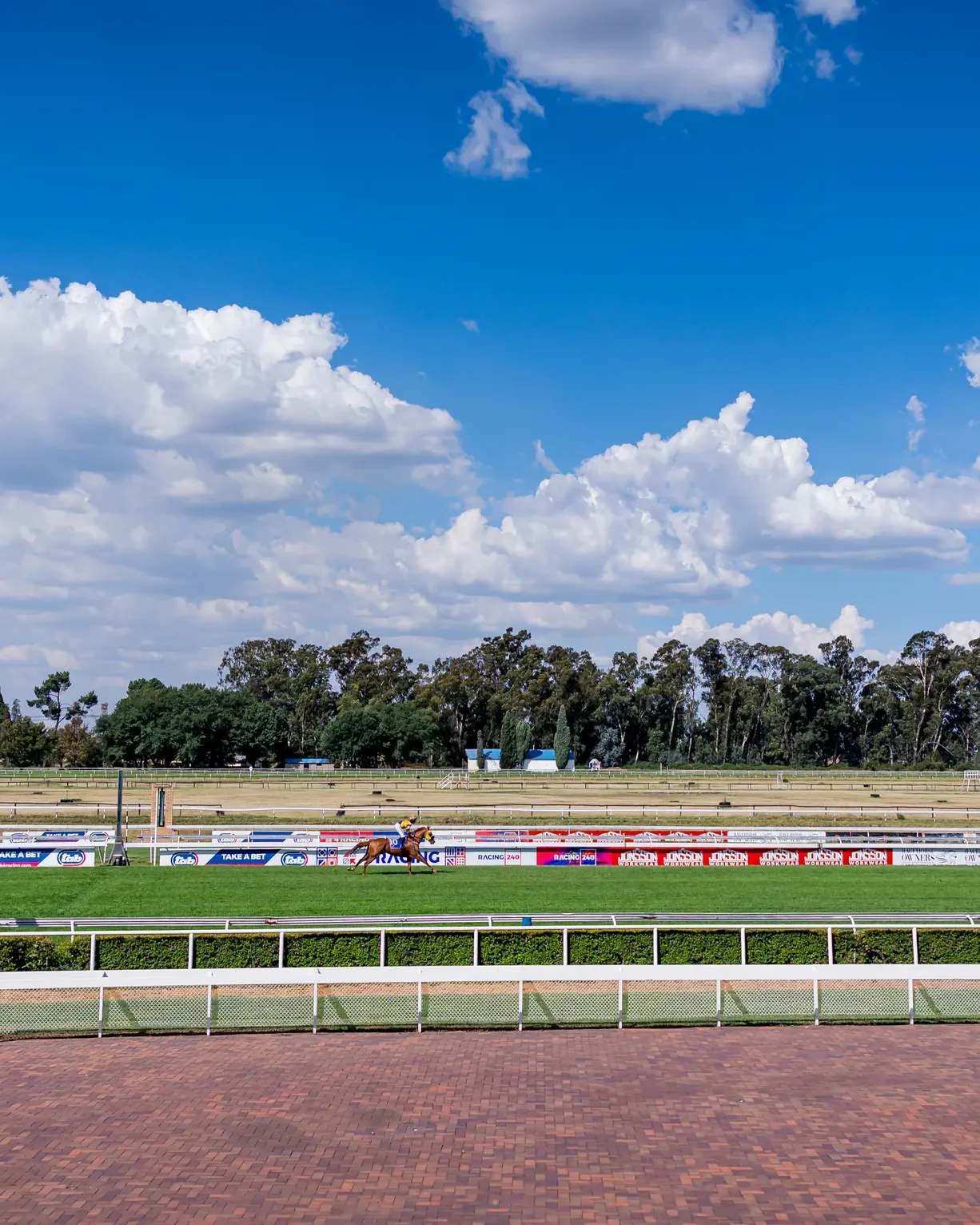
The Vaal Racecourse received its original licence in 1944, but proceedings were halted after the Jockey Club of South Africa objected over inadequate controls. It was only successfully registered in February 1946, after which the Vaal Racing Club was founded. That early licence dispute set the tone. The Vaal was never the glamorous establishment venue. It had to earn its place through usefulness — midweek racing, space, training, alternative fixtures, big-field handicaps. Its identity was always closer to horsemen, punters and working racing than to champagne-day theatre. The country course's reputation was built around racing people, not celebrities, and that has not changed.
South African racing's longest straight
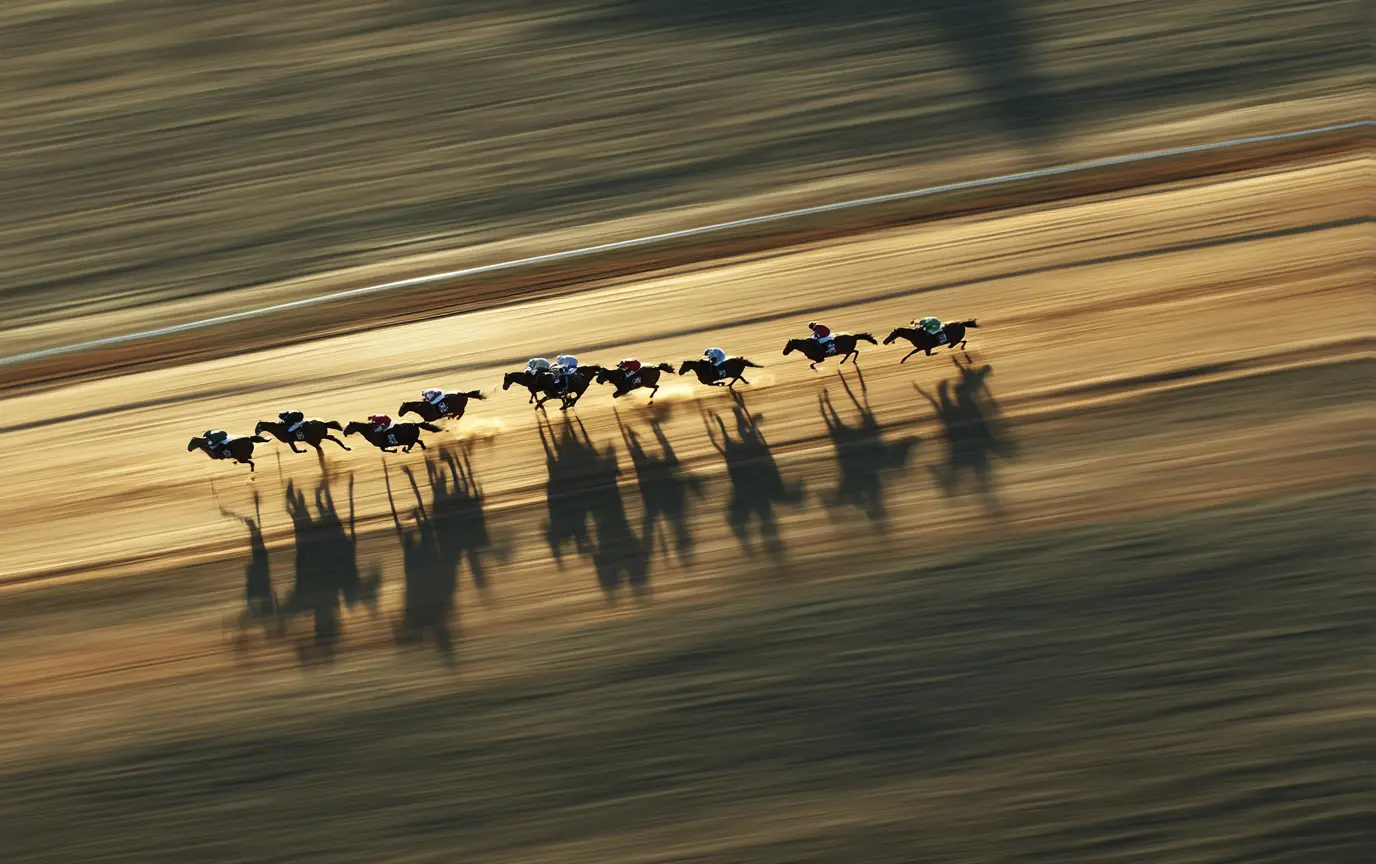
The Vaal's physical identity is its straight. The main turf course is a 3,000-metre oval with a lung-bursting 1,600-metre straight — the longest in the country. Races up to a mile are run down the chute; races beyond 1,600 metres go clockwise around the turn with a long run-in. The Vaal Classic, created later from the old sand-track footprint, is a 2,800-metre right-handed oval with a 1,000-metre straight of its own. The Vaal is spacious and fair, but it is not simple. Straight-course races, draw patterns, wind, pace, middle-track moves and the long drag home all matter — which is why the venue has so much course talk around it. A horse can look beaten here and still grind into the race, or look comfortable and be exposed late.
Three pieces of working-racing folklore
The Vaal does not have ghost stories or wartime drama. Its folklore is racing folklore — weather, regulation, and the people who kept the place going.
The 1947 storm
The Vaal tried to launch night racing on the first weekend of March 1947. A severe Highveld storm washed out the meeting, and soon afterwards the Jockey Club shut the idea down by threatening to warn off anyone involved. The venue's first attempt to innovate was killed by weather and regulation. Vaal racing folklore starts there: ambition, weather, and a few stubborn people trying to make a country course matter.
Saved by the people who needed it
By the early 1950s, the Vaal was being kept alive not by glamour but by usefulness. The Newmarket-based Owners and Trainers Association ran twelve meetings a year here. The Vereeniging Turf Club used the course as a flexible alternative. The Vaal survived because it gave racing bodies space and capacity when other venues could not. Its value was working capacity, not prestige.
The horsemen's Vaal
The Vaal Training Centre is part of the venue's identity. Natural soil tracks, no artificial base, a basin beside the Vaal River, room per horse, and the home-course advantage of running where you train. Some yards have stayed loyal to the Vaal precisely because of this — a place to train horses properly, not only to run them.
Sand to Classic — and back to turf
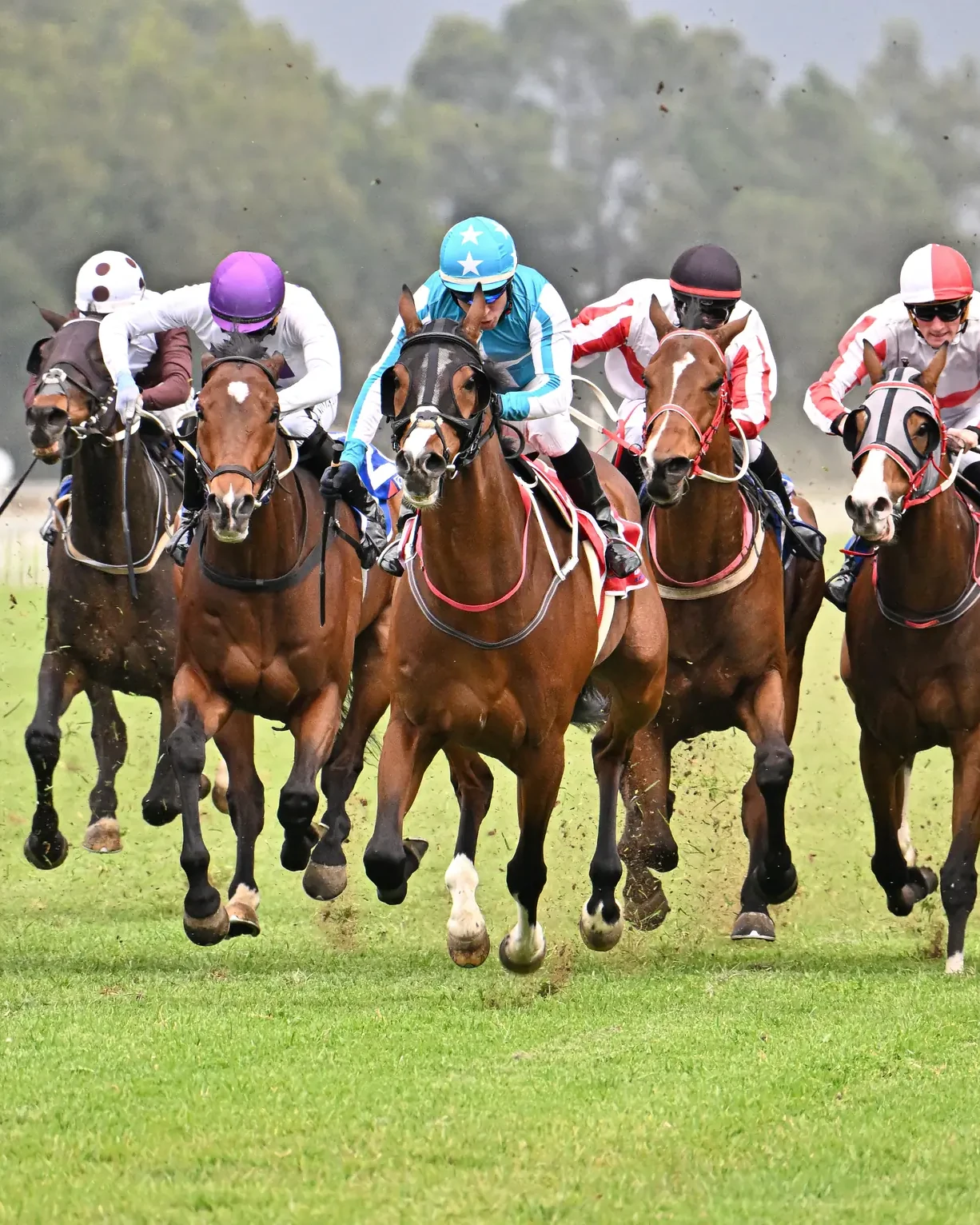
In 2001 the Vaal introduced a sand track and gave itself a specialist racing identity. From 2005 it produced South Africa's signature sand spectacle: the Emerald Cup. Mrs Oppenheimer's Hilti — Mike de Kock, Willy Figueroa — won the inaugural running. The race was elevated to Grade 2 in 2007 (Narc, for Buddy Maroun and Piere Strydom) and was a R1-million event by 2014 (Tommy Gun). But the sand's reputation had turned by 2015 — safety, kickback, water demand and contested specifications combined to end the experiment. The track closed in October 2015 and was replaced by turf, with the same right-handed footprint kept intact: the new Vaal Classic, 2,800 metres, 1,000-metre straight.
The 2018 race was scheduled for 29 September. Weather and Turffontein space constraints split it into two heats. After the Leg 1 winner withdrew, the runner-up Dan The Lad joined Leg 2 winner Tsitsikamma Dance for a two-horse match-race final on 8 December. Dan The Lad won by half a length.
On the strangest modern running of the World Sports Betting Grand Heritage
The country course
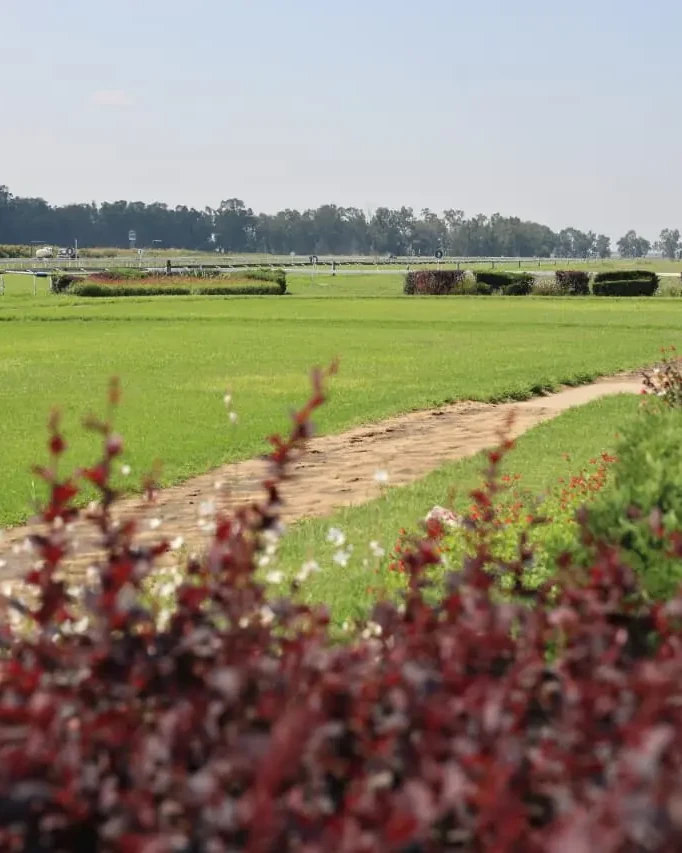
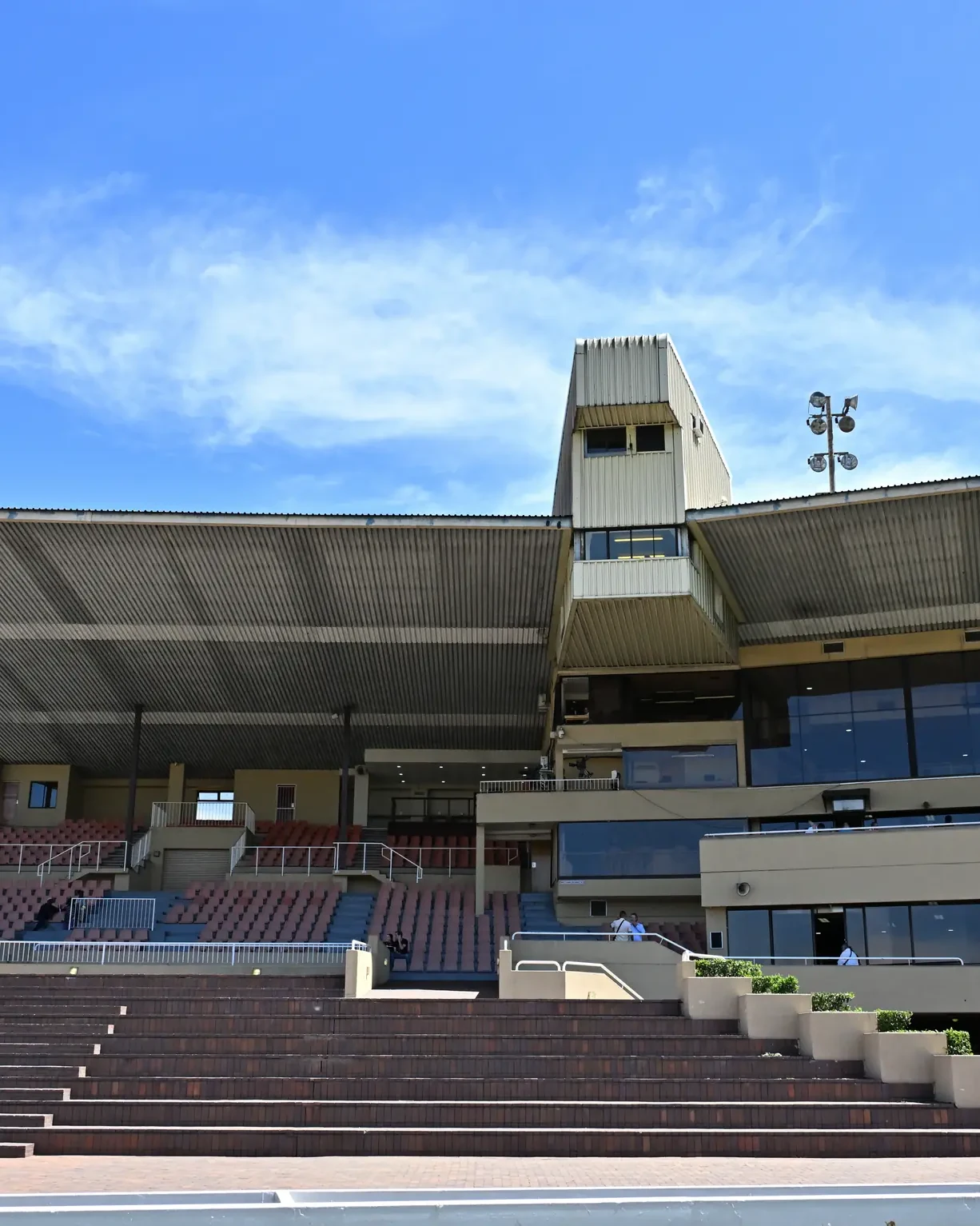
The Vaal is not trying to be Turffontein. It is a country racecourse with open grounds, a relaxed atmosphere and a spacious layout that trainers and jockeys respect. Its hospitality space overlooks the finish post; its grounds carry the rhythm of a working racing community rather than glamour-day theatre. Regular punters, work riders, grooms, hard-knocking handicappers, and yards that use the place as a working base — that is the Vaal's pride. Its reputation is built around racing people, and its country-course identity is part of why it has survived everything the industry has thrown at it.
2021 — AND ON
A survivor’s track inside a national network.
The economics that brought Phumelela to business rescue in 2020 closed a long chapter for the Vaal as much as for any other Phumelela racecourse. The Oppenheimer family’s Mary Oppenheimer Daughters underwrote the rescue. Operating licences — including the Free State approval — transferred to 4Racing in late 2021, and on 1 December 2021, 4Racing took over the administration of much of South African racing. The Vaal joined a national network alongside Turffontein, Fairview and Randjesfontein.
Investment followed. In 2024, 4Racing announced broader venue upgrades, higher stakes and trainer incentives across its Highveld and Gqeberha operations. In 2025 the second-floor hospitality suite was refurbished and renamed for Empress Club, a former Vaal training-centre resident — another working-racing thread folded into the modern venue. The Grand Heritage day now closes with the annual Groom’s Race, with R35,000 in prize money on the line.
The Vaal’s pride is not in mystery or pageantry. It is in survival and reinvention. Born outside the glamour circuit. Shaped by weather and regulation. Saved by horsemen who needed it. Reinvented through sand, then through the Vaal Classic, then through the Grand Heritage. Defined now by the longest straight in the country and a race-day formula that is unlike any other on the South African calendar. The Vaal is South African racing’s survivor track — and it has earned that title chapter by chapter.